











































Santo Domingo, Dominican Republic.— The Fundación Reservas del País presented a study that identifies the speed of disbursements as the main reason why micro-entrepreneurs resort to informal credit in the Dominican Republic.
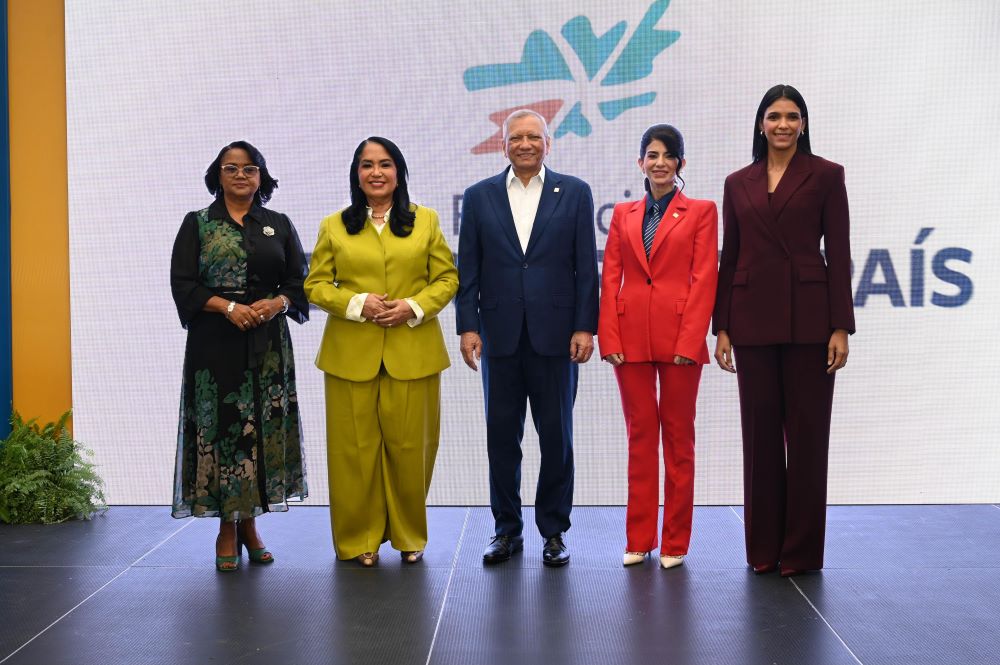
The findings were presented during the celebration of the entity's 23rd anniversary, in an event led by the CEO of Banco de Reservas, Leonardo Aguilera, and the executive vice president of the Foundation, Yamily López.
DDuring his speech, Aguilera highlighted the impact that access to financing has on small businesses and on family incomes.
«"A loan to buy tools, restock merchandise, or expand a small business can change a family's life. That is the value of work that we recognize today as we celebrate the twenty-third anniversary of the Reservas del País Foundation," he said.
The executive noted that this work responds to President Luis Abinader's policy of expanding opportunities for micro and small businesses and promoting financial inclusion.
«"From the Reservas del País Foundation and the entire Reservas Group, we have been supporting this purpose through financing, training, and strengthening of cooperatives and associations," he stated.
Aguilera also congratulated López for the work done since he took over his management and extended his recognition to the Foundation team and those who have contributed to his 23 years of service.
Study findings
In presenting the results, López indicated that 85.81% of the informal lenders surveyed identified speed as the reason their clients choose them. He explained that, in these transactions, micro-entrepreneurs are not only looking for money, but also a timely response to their needs.
He explained that formal credit approval takes between one and five days in 57% of cases, while disbursements require between one and three working days in 76% of cases.
The executive noted that the research identifies opportunities for improvement in process agility, formalization, digitization, support, and the design of products suitable for micro-entrepreneurs.
It also warned about the persistence of over-indebtedness. According to the allied lenders consulted, 73% reported a decrease in liquidity in their clients' businesses, and 52% indicated losses of assets given as collateral.
López announced that he will promote the dissemination of these findings among financial intermediation institutions, with the purpose of boosting responses to the difficulties faced by the microenterprise sector.
Likewise, the study reveals that 74.33% of the surveyed micro-entrepreneurs do not have a National Taxpayer Registry (RNC), a fact that reflects the challenges of formalizing the sector.
The research, titled "Impact of Informal Credit on the Microenterprise Sector in the Dominican Republic," gathered the opinions of 995 participants and included six focus groups and a survey of 783 microentrepreneurs about their use of credit over the past 36 months. It also incorporated the experiences and perceptions of informal lenders.
